Jamun Seed जामुन बीज
Jamun ki Guthli (जामुन बीज) is called Jamun seed (Java plum seed) in English, Jamun beej in Hindi. Its botanical name is Syzygium cumini. Also searched as: jaman ki guthli · jamun ki guthli in english · jamun seed powder side effects.
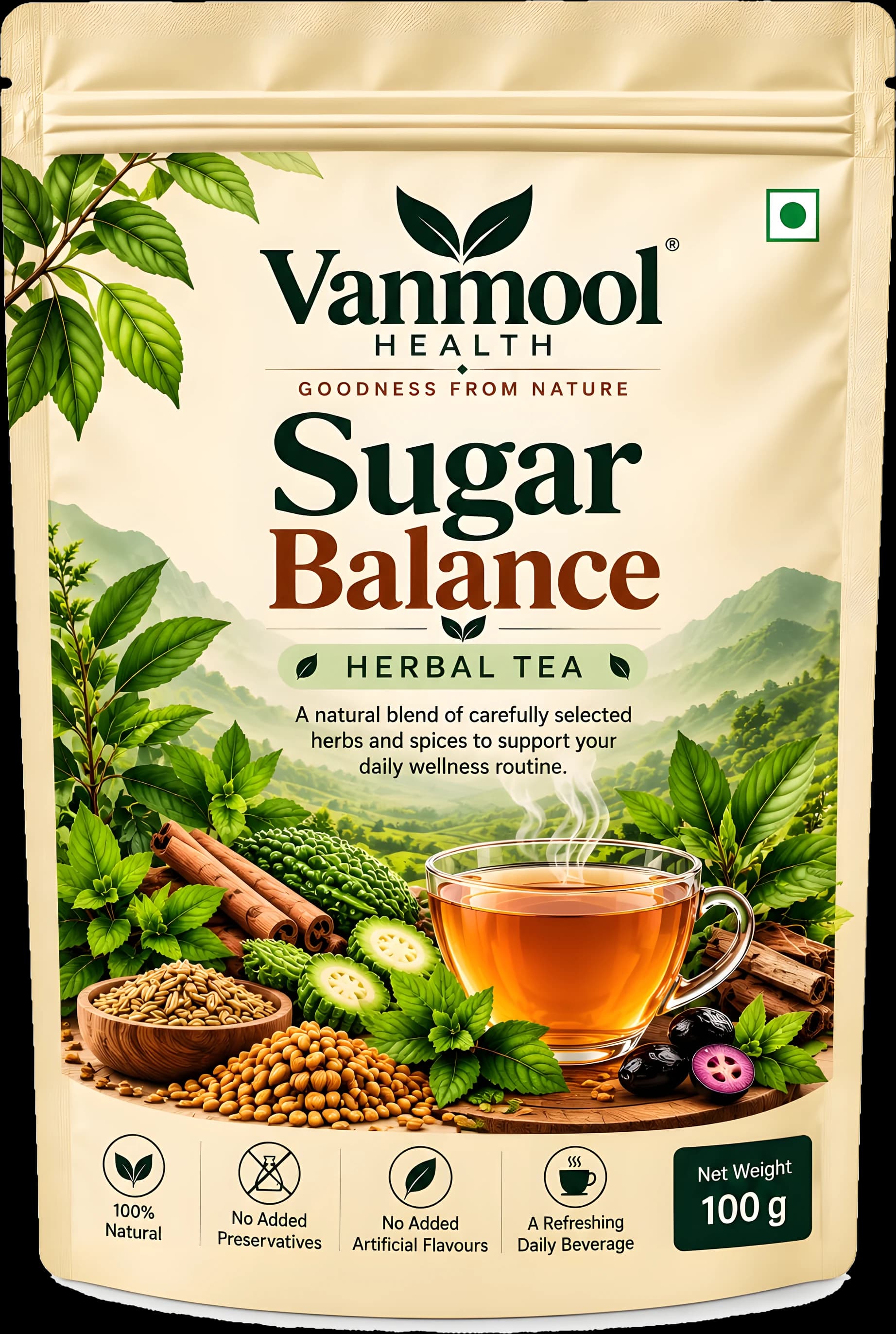
Seeds of the Indian blackberry, kept in many Indian households, in Sugar Balance.
Also called: Jamun ki guthli · Jamun beej · Java plum seed · Indian blackberry seed · Naval pazham (Tamil) · Syzygium cumini. In English: Jamun seed (Java plum seed).
Jamun (Syzygium cumini), also called the Indian blackberry, black plum or java plum, is a tall evergreen tree found across India, planted along roads and in temple grounds, and its fruit is one of the signs of the monsoon. The oval, purple-black fruit ripens in June and July, tastes sweet, tart and astringent at once, and turns the tongue purple. The ripe fruit bruises easily and spoils within a day or two, which is why it is mostly sold close to where it grows, piled high on handcarts through the short season. Jamun belongs to the same family as the clove tree.
Inside each fruit is a single large seed. In many homes the seeds are saved after the fruit has been eaten: washed, dried in the sun until hard, cracked to remove the thin outer coat, and dried again before being stored or ground into the fine, greyish-brown powder sold as jamun beej churna. Because the fruit has such a short season, drying the seed is a way of keeping something of it through the year.
Jamun seed tastes earthy, bitter and strongly astringent, with none of the fruit's sweetness. The drying, tightening feeling it leaves in the mouth comes from its tannins.
The fruit is the culinary part: eaten fresh with a pinch of salt, pressed into juice and the tangy kala khatta syrup poured over crushed ice, or made into jamun vinegar, jamun ka sirka. The seed belongs to the household's traditional remedies rather than its recipes, and has a place in Ayurveda and Unani practice. It has been studied for its effect on blood glucose, mostly in laboratory and animal studies and a few small human trials; the evidence is limited.
In Sugar Balance jamun seed is part of the earthy base, along with methi, gudmar and vijaysar. It is dense and dry, so it needs the covered simmer to release anything, and it adds astringency and a deeper colour to the cup more than a distinct flavour of its own. The bright and sweet ingredients in the blend, lemongrass, fennel, cinnamon and stevia leaf, keep it from tasting heavy.
Dried jamun seed keeps well only if it is properly dry; any moisture left in the seed, or let in later, invites mould. Store it sealed in a dry place and never put a wet spoon in the jar. Seed powder clumps in humid weather and fades faster than whole or cracked seed.
What has been studied about jamun seed
Jamun seed has been looked at mostly in the laboratory and in animal studies, where extracts of the seed have been tested for their effect on blood glucose and for their antioxidant content. A handful of small human trials have used seed powder in doses of several grams a day over a few weeks. The trials are few, small and short, and their results do not agree with one another; the evidence is limited.
The fruit has been studied separately, chiefly for the pigments that give it its purple colour, and much of what is written online runs the fruit and the seed together. The seed is a different material: dry, tannin-rich and bitter, with none of the fruit's sweetness.
In a blend, jamun seed is a food, the dried stone of a monsoon fruit that many households already keep. It adds astringency and a deeper colour to the cup. It is not a treatment for diabetes or anything else, and nothing about it should change how anyone takes their medicine.
Side effects, and who should be careful
Jamun seed is traditionally linked with blood sugar, so anyone on medicine for diabetes must talk to their doctor before using it regularly. The risk is the same as with any such herb: taken on top of medicine, sugar can go too low. Do not reduce or stop a prescribed medicine on the strength of a tea.
The seed is strongly astringent because of its tannins, which leave the mouth dry and can be hard on an empty stomach in larger amounts. Start with a little. There is no good safety data on regular use in pregnancy or breastfeeding, so ask your doctor first, and keep seed powders and teas away from children.
Home-dried seed must be fully dry before it is stored; seed that was damp, or has grown mould, should be thrown away rather than used.
How to use it
The fruit is the culinary part of jamun, eaten with a pinch of salt in June and July, pressed into kala khatta syrup or made into vinegar. The seeds are saved after eating: washed, sun-dried until hard, cracked out of their thin coat and dried again, then stored whole or ground into the greyish-brown powder sold as jamun beej churna. Traditionally the powder was stirred into water or taken with honey.
For a cup, put a quarter to half a teaspoon of seed powder, or a teaspoon of cracked seed, into 200 ml of water. Bring it to a gentle boil, cover and simmer on a low flame for seven to ten minutes, as the seed is dense and dry and gives up little to a quick steep. Rest it covered for a minute, then strain through a fine sieve; powder settles and is best left at the bottom of the cup.
On its own the cup is earthy, bitter and drying, which is why most people take jamun seed in a blend rather than alone. In Sugar Balance it is part of the earthy base with methi, gudmar and vijaysar, and the covered simmer draws out its colour and astringency while lemongrass, fennel and stevia leaf keep the cup from tasting heavy.
Questions people ask
01What is jamun ki guthli called in English?
Jamun seed, or Java plum seed. The tree is Syzygium cumini, also called black plum or Indian blackberry.
02Can I take jamun seed powder every day?
It is a traditional household habit, but because it is linked with blood sugar, anyone on diabetes medicines, and anyone pregnant or breastfeeding, should check with their doctor before using it daily.
03Is jamun seed safe with diabetes medicines?
Only with your doctor's knowledge. Taken on top of medicine there is a risk of blood sugar going too low. Never adjust a prescribed dose yourself.
04What are the side effects of jamun seed?
Mainly its astringency: a dry mouth, and in larger amounts an uncomfortable stomach. Low blood sugar is the concern when it is combined with diabetes medicines.
05How do I dry jamun seeds at home?
Wash the seeds, dry them in the sun until hard, crack off the thin outer coat, dry again, and store sealed. Any dampness invites mould, so they must be fully dry.
06What is jamun seed called in Hindi?
Jamun beej (जामुन बीज). The botanical name is Syzygium cumini. Other Indian names: Jamun ki guthli, Jamun beej, Java plum seed, Indian blackberry seed, Naval pazham (Tamil), Syzygium cumini.
Sources
Making it at home, on its own
Save the seeds from eaten jamun, wash off every trace of pulp, and sun-dry them for three to four days until the outer skin cracks. Peel that skin off, dry the pale inner kernels another day or two until they snap, grind them fine, sieve, and store airtight. A quarter teaspoon stirred into warm water is the usual way to take it. Step by step: jamun seed powder, from the june fruit
With medicines, in pregnancy, for children
What is documented for jamun seed alongside each common kind of medicine, one page per pair.
- Thyroid · Fine, with a habit to keep
- Diabetes · Tell your doctor before it becomes daily
- Blood thinners · No documented concern at a cup a day
- Blood pressure · No documented concern at a cup a day
- Statins · No documented concern at a cup a day
- Pregnancy · Tell your doctor before it becomes daily
- Children · Tell your doctor before it becomes daily
Read more: Morning drinks for diabetics: methi water, jamun and more; Herbal tea before surgery: what to stop, and when; Cinnamon, gudmar and methi with metformin: what to know; Diabetes diet in India: what to eat, plate by plate; Vijaysar: the wood, the tumbler, and spotting a real one; Jamun seed powder: uses, how to take it, side effects
Vanmool infusions are food products, not medicines. They are not intended to diagnose, treat, cure or prevent any disease. If you are pregnant, nursing, taking medication or managing a medical condition, please speak to your doctor before use.