Mulethi मुलेठी
Mulethi (मुलेठी) is called Licorice root in English, Mulethi in Hindi. Its botanical name is Glycyrrhiza glabra. Also searched as: liquorice root in hindi · mulethi in english · jethimadh.
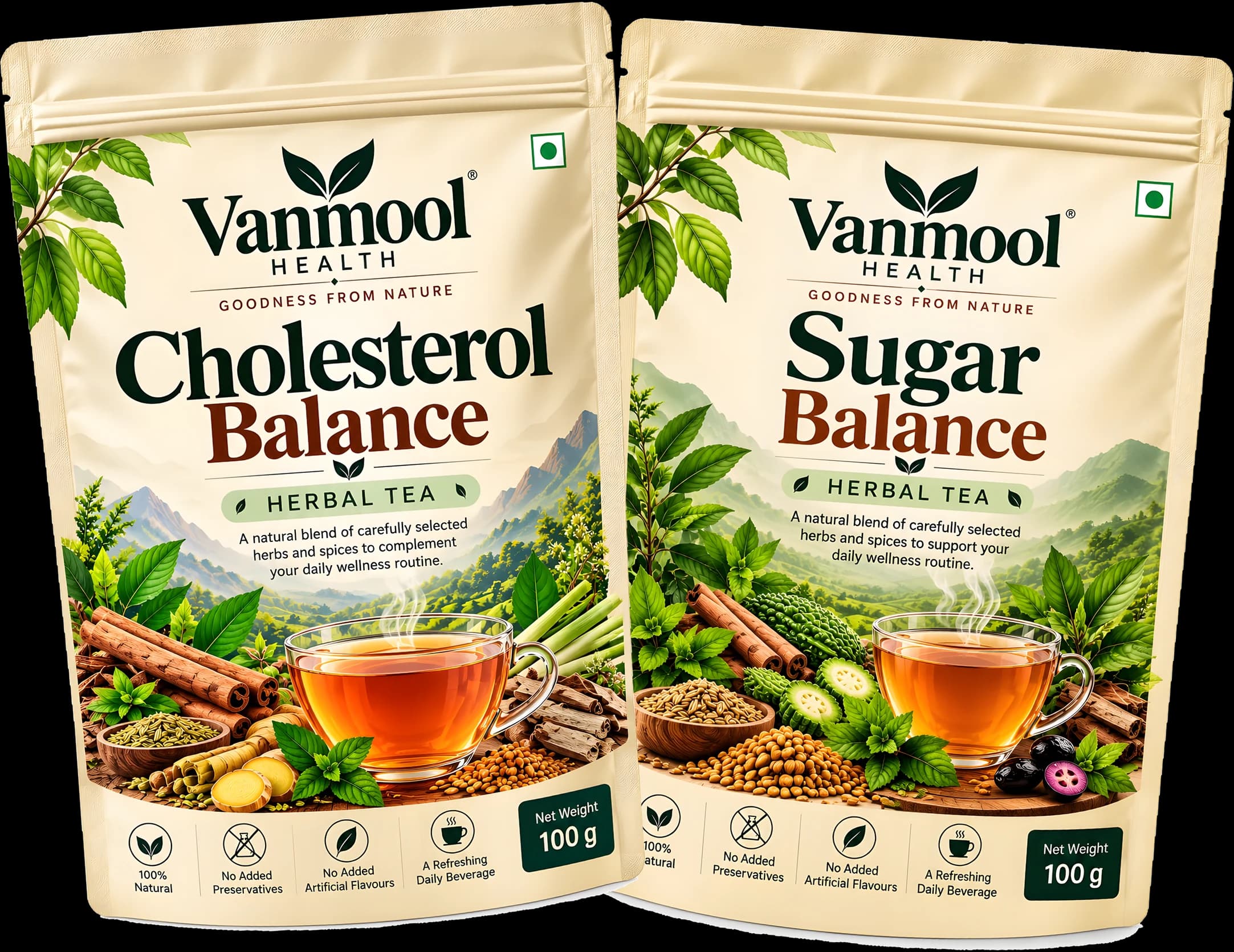
Liquorice root, naturally sweet, in Sugar Balance.
Also called: Mulethi · Jethimadh · Yashtimadhu · Liquorice · Athimadhuram (Tamil) · Glycyrrhiza glabra. In English: Licorice root.
Mulethi is liquorice root, from Glycyrrhiza glabra, a hardy plant of the pea family native to southern Europe and western and central Asia. India grows a little in its north and imports much of what it uses. In Sanskrit it is yashtimadhu, 'honey stick', a fair description of how it tastes.
The plant spreads underground through long roots and runners. These are dug up after three or four years, washed, cut into lengths and dried, and sold as woody, fibrous sticks that are yellow inside, or as a fine powder. Peeled mulethi is paler and a little sweeter; unpeeled sticks keep their brown outer skin. Good sticks snap cleanly and show a bright yellow, fibrous inside; grey, soft or bendy sticks are old or have taken in moisture.
Mulethi is sweet, woody and faintly anise-like, with a sweetness that arrives slowly and lingers. Most of it comes from glycyrrhizin, a compound many times sweeter than sugar. European liquorice sweets were first flavoured with the same root, though many now take their taste from aniseed instead. The botanical name Glycyrrhiza comes from the Greek for 'sweet root'. Liquorice extract has long been used to flavour sweets and drinks and to mask bitter tastes, much the same job it does in a herbal blend.
In Indian homes a stick of mulethi is something to chew on when the throat feels scratchy, and it goes into winter kadhas with ginger, tulsi and black pepper. It is a familiar Ayurvedic ingredient and a common part of herbal blends, because it sweetens without sugar. Chewed, a stick releases its sweetness slowly, and the fibrous end frays into a soft brush.
In Sugar Balance mulethi is one of the two ingredients, with stevia leaf, that make added sweetening unnecessary. Its sweetness comes out gradually as the pieces of root simmer, rounding off the bitterness of gudmar and methi. It also gives the cup a little body and a soft, lingering finish. Because it is so sweet, a small share of root goes a long way.
Liquorice comes with one well-known caution. Large amounts taken regularly over weeks can raise blood pressure and lower potassium, because of the glycyrrhizin, so if your blood pressure is high, or you are pregnant, ask your doctor before making any liquorice drink a daily habit. Dried mulethi sticks keep for a long time in a sealed, dry jar; the powder fades faster and clumps in damp weather.
What has been studied about mulethi
Liquorice root has been studied for a long list of complaints, chiefly sore throat, cough and indigestion, and, as a cream, for skin conditions such as eczema. Most of this research used extracts, lozenges or preparations with the glycyrrhizin removed, in small and short trials, and the US National Center for Complementary and Integrative Health says there is not enough evidence to show it is helpful for any condition. The evidence is limited.
The compound in the root that is best understood is glycyrrhizin, the source of its sweetness, and that understanding is mostly about its side effects: taken in large amounts for weeks it affects the body's handling of salt and potassium, which is why liquorice carries the cautions below. Mulethi in a blend is a food, there because it sweetens without sugar, and not a treatment for anything.
Side effects, and who should be careful
Liquorice in large or regular amounts can raise blood pressure and lower potassium in the blood, because of its glycyrrhizin. Over weeks this can cause headaches, swelling, tiredness and, rarely, an irregular heartbeat. People with high blood pressure, heart conditions or kidney conditions should ask their doctor before drinking any liquorice tea regularly, and a small share in a blend taken as a cup a day is different from chewing sticks all day.
Liquorice can interact with medicines: water tablets (diuretics), blood pressure medicines, heart medicines such as digoxin, steroid medicines and blood thinners. Anyone on these should ask their doctor or pharmacist. Liquorice root is also on the NHS list of things to avoid in pregnancy, so pregnant women should ask before drinking mulethi daily.
The sweets sold as liquorice are a different matter, as many are flavoured with aniseed and contain little or no root. If you notice swelling, headaches or palpitations while drinking any liquorice preparation regularly, stop and speak to your doctor.
How to use it
In Indian homes a stick of mulethi is chewed when the throat feels scratchy, and the root goes into winter kadhas with ginger, tulsi and black pepper. It is a familiar way to sweeten a herbal drink without sugar, and Ayurveda has used it for centuries. The best sticks snap cleanly and are bright yellow and fibrous inside.
For a plain cup, crush a small piece of root, about the size of a fingernail, or use a quarter teaspoon of powder, in 200 ml of water. Bring it to a gentle boil, cover, and simmer on a low flame for five minutes, then strain. The sweetness arrives slowly and lingers, so start with less than you think you need; more root makes the cup cloying rather than pleasant.
In Sugar Balance mulethi is one of the two ingredients, with stevia leaf, that make added sweetening unnecessary, and its sweetness rounds off the bitterness of gudmar and methi. It comes out gradually over the covered simmer, so a small share of root in the blend goes a long way. Because of the glycyrrhizin, the blend is meant as a cup, not as something to drink by the jug.
Questions people ask
01What is mulethi called in English?
Liquorice root, or licorice in American spelling. The plant is Glycyrrhiza glabra, 'sweet root', and in Sanskrit it is yashtimadhu, 'honey stick'.
02Can I drink mulethi tea every day?
A cup a day of a blend with a small share of root is a food habit for most people. Anyone with high blood pressure, heart or kidney conditions, or who is pregnant, should ask their doctor first.
03What are the side effects of mulethi?
In large or regular amounts, raised blood pressure and low potassium, with headaches, swelling and tiredness. These come from glycyrrhizin and build up over weeks of heavy use.
04Is mulethi safe in pregnancy?
The NHS advises avoiding liquorice root in pregnancy. Ask your doctor before drinking any mulethi tea daily while pregnant.
05Does mulethi interact with medicines?
It can, with water tablets, blood pressure and heart medicines, steroids and blood thinners. Ask your doctor or pharmacist if you take any of these.
06What is licorice root called in Hindi?
Mulethi (मुलेठी). The botanical name is Glycyrrhiza glabra. Other Indian names: Mulethi, Jethimadh, Yashtimadhu, Liquorice, Athimadhuram (Tamil), Glycyrrhiza glabra.
Sources
Making it at home, on its own
Crush a small piece of mulethi (liquorice root), about the size of your little finger's top joint, or use a quarter teaspoon of powder, and simmer it covered in 250 ml of water for five minutes with a few tulsi leaves or a slice of ginger. Strain; it needs no sugar, because the root itself is sweet. Step by step: mulethi kadha, naturally sweet
Licorice root in Hindi and other Indian languages, and how to spot it in a shop
With medicines, in pregnancy, for children
What is documented for mulethi alongside each common kind of medicine, one page per pair.
- Thyroid · Fine, with a habit to keep
- Diabetes · Tell your doctor before it becomes daily
- Blood thinners · Tell your doctor before it becomes daily
- Blood pressure · Not advised unless your doctor says otherwise
- Statins · No documented concern at a cup a day
- Pregnancy · Not advised unless your doctor says otherwise
- Children · Fine, with a habit to keep
Read more: Delhi smog season and warm cups: what helps, what doesn't; Herbal tea for children and older people: amounts and cautions; Herbal tea in pregnancy: what is known, and what is not; Herbal tea before surgery: what to stop, and when; Mulethi (liquorice) with blood pressure medicines: what to know; Herbal tea with blood thinners: warfarin, aspirin, clopidogrel; Kadha recipe for cold and cough: how to make kadha at home; Mulethi tea: benefits, how to make it and side effects
Vanmool infusions are food products, not medicines. They are not intended to diagnose, treat, cure or prevent any disease. If you are pregnant, nursing, taking medication or managing a medical condition, please speak to your doctor before use.