Cinnamon दालचीनी
Dalchini (दालचीनी) is called Cinnamon in English, Dalchini in Hindi. Its botanical name is Cinnamomum. Also searched as: dalchini in english · dalchini ka pani · cinnamon in hindi.
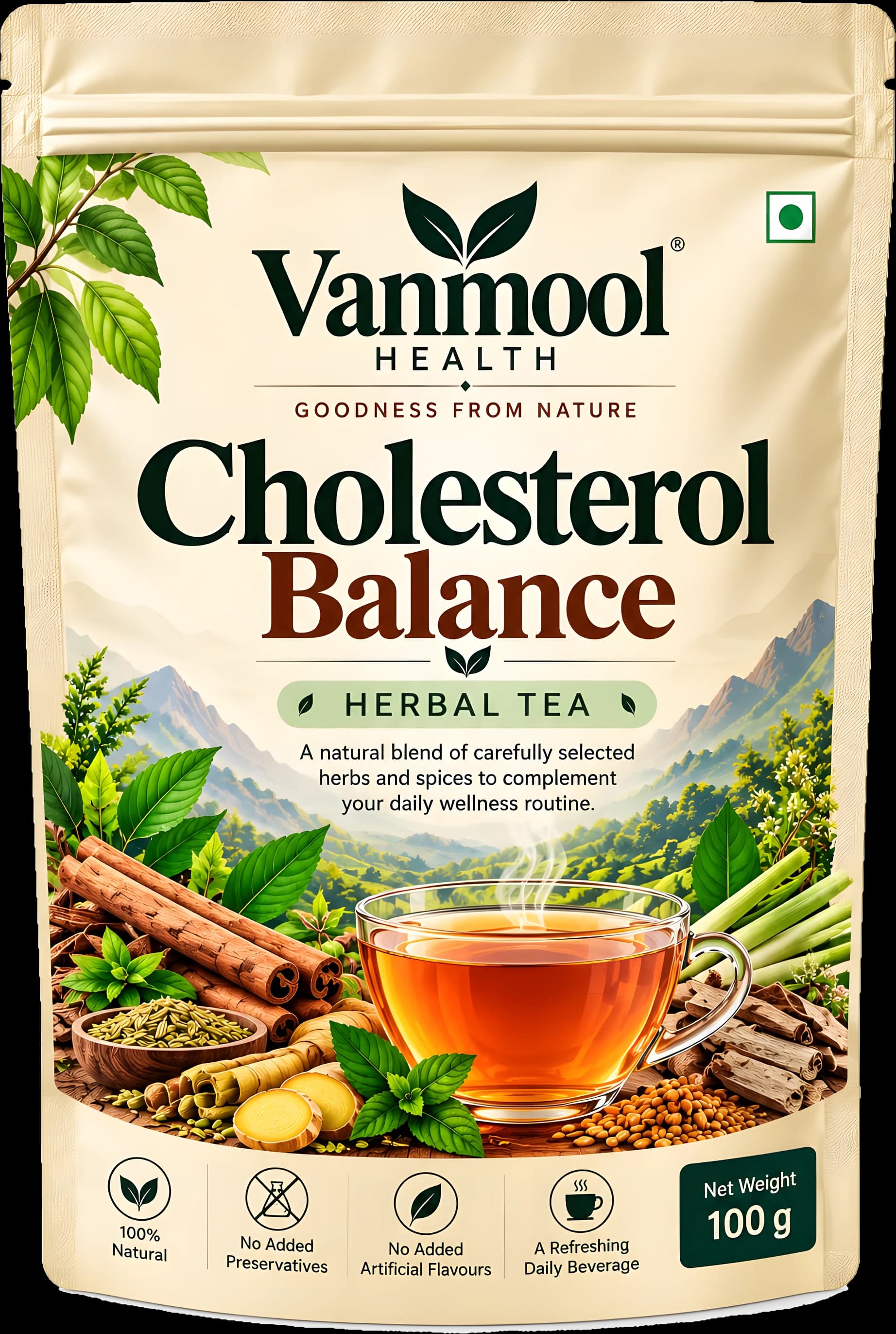
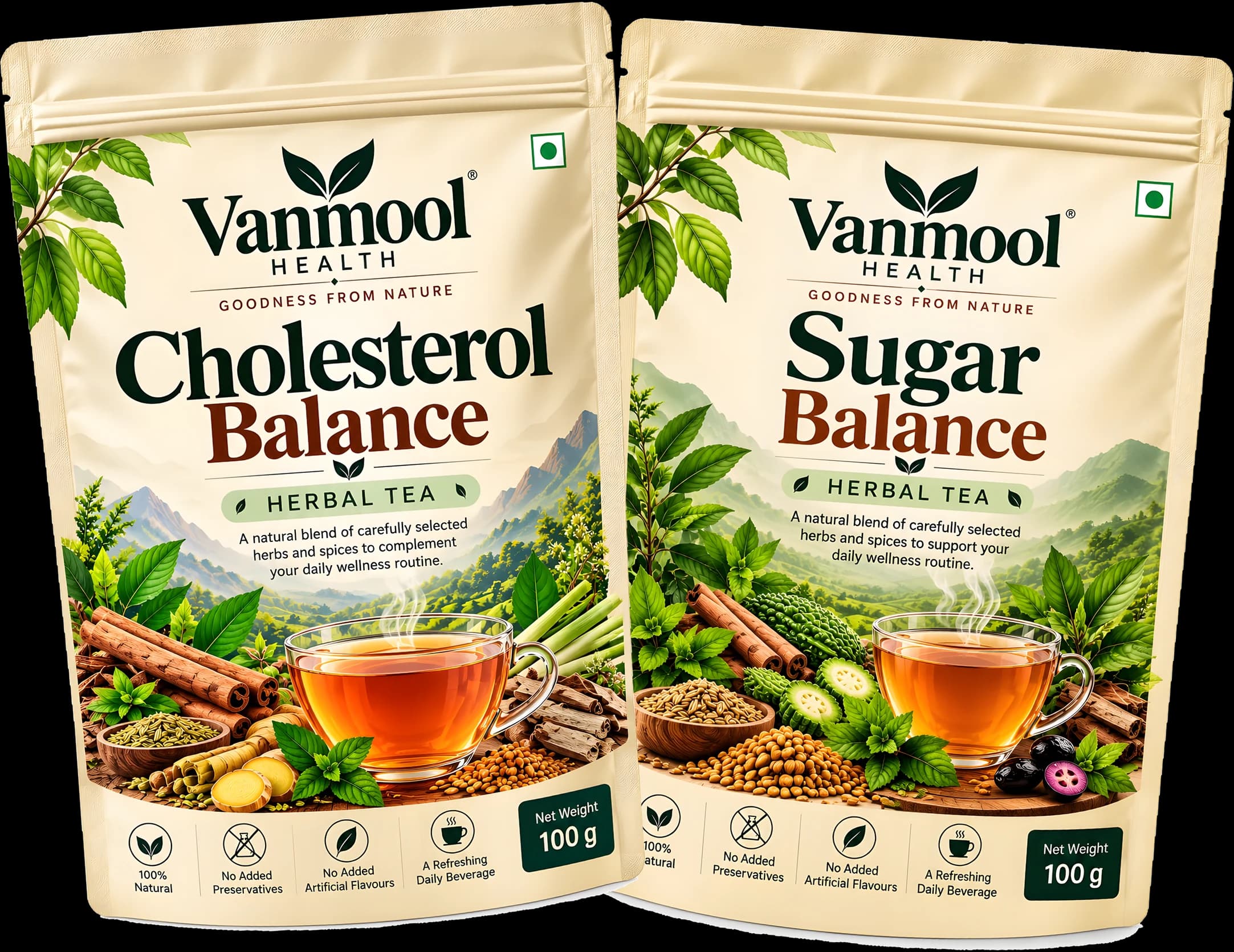
The warm, naturally sweet bark found in both Vanmool blends.
Also called: Dalchini · Daruchini (Bengali) · Taj (Gujarati) · Pattai (Tamil) · Karuvapatta (Malayalam) · Cassia and Ceylon cinnamon, the two kinds in trade. In English: Cinnamon.
Cinnamon is the dried inner bark of trees in the genus Cinnamomum. Two kinds dominate the spice trade. Ceylon or 'true' cinnamon (Cinnamomum verum) comes mainly from Sri Lanka and also grows in Kerala; its sticks are thin, pale tan and made of many papery layers. Cassia (Cinnamomum cassia and related species) has thicker, harder, darker bark, usually in a single curl, and a stronger, hotter taste. Both are sold in India as dalchini, and much of the loose dalchini in markets is cassia.
The way it is made is much the same for both. Young shoots are cut from trees kept low and bushy by regular cutting, the rough outer bark is scraped away, and the inner bark is loosened and peeled off in long strips. As the strips dry they curl into quills; Ceylon quills are rolled one inside another by hand, while cassia curls on its own into a thicker scroll. India's own tejpatta, the 'Indian bay leaf' of biryani and pulao, is the leaf of a close relative, Cinnamomum tamala.
Cinnamon smells warm and sweet, and that sweetness, carried by an aromatic compound called cinnamaldehyde, is why it can make an unsweetened drink taste rounded. Ceylon cinnamon is delicate and floral; cassia is bolder, with more bite.
Dalchini is one of the khada masale, the whole spices fried in ghee at the start of a pulao, biryani or korma. It is ground into garam masala, simmered in chai masala, added to the masala for bisi bele bath, and tucked into kheer and some sweets. A stick dropped into hot milk with a cardamom pod is an old winter drink in many homes.
Cinnamon is the one spice that does the same job in both Vanmool blends: warmth and a little natural sweetness, without sugar. It is the first ingredient printed on the Sugar Balance pack. Like arjuna and the other barks, it needs heat and time, which a covered simmer gives it. Pieces release their flavour gradually; powder releases it at once and tends to cloud the cup, one reason cut spices suit a simmered blend.
Cassia contains far more coumarin, a natural compound, than Ceylon cinnamon, and food safety bodies advise keeping large daily amounts of cassia, such as spoonfuls of powder every day, in check. Cinnamon sticks keep their aroma for a long time in a sealed jar away from light; ground cinnamon fades within months and is best bought in small amounts.
What has been studied about cinnamon
Cinnamon's research record is dominated by one question: whether it affects blood sugar in people with type 2 diabetes. Dozens of small trials have given cinnamon powder or extract in capsules, usually a gram or more a day for weeks or months, and the results do not agree. The US National Center for Complementary and Integrative Health sums the evidence up as inconclusive and is clear that cinnamon is not a substitute for diabetes care. It has also been studied, less often, for cholesterol, blood pressure and digestion, with the same pattern of small, mixed results.
Most of these trials used cassia, the kind sold as dalchini across India, in amounts far beyond a stick in a pan. A piece of cinnamon in a simmered cup is a food and a flavour, with a natural sweetness that lets a drink do without sugar. It does not treat, prevent, lower or control anything.
Side effects, and who should be careful
The main caution with cinnamon is coumarin, a natural compound that is plentiful in cassia and scarce in Ceylon cinnamon. In large daily amounts over a long time coumarin can be hard on the liver, so European food safety bodies set a tolerable daily intake worked out per kilo of body weight. A stick in a pan of tea or a pinch in a curry is well within it for an adult; teaspoons of cassia powder every day, as some supplement routines suggest, are not. Children reach the limit sooner because they weigh less.
Because most cinnamon in Indian markets is cassia, anyone taking cinnamon in medicinal amounts, or with a liver condition, should prefer Ceylon cinnamon and ask their doctor. People on medicines for diabetes should also ask before taking cinnamon regularly in large amounts, since it has been studied for its effect on blood sugar and could add to what a medicine is doing. Cinnamon can irritate the mouth and skin in some people, and allergy, though rare, does occur.
In food and tea amounts cinnamon is generally considered fine in pregnancy and while breastfeeding; cinnamon supplements and large daily doses are not, for want of safety data. Anyone on regular medicines or with a long-term condition should ask their doctor before making any herb a daily habit.
How to use it
Dalchini is one of the khada masale, the whole spices fried in ghee at the start of a pulao or korma, and it goes into garam masala, chai masala, kheer and some sweets. A stick in hot milk with a cardamom pod is an old winter drink. It is one of the few spices that makes an unsweetened drink taste rounded, because its scent reads as sweet.
For a simple cup, use a piece of stick two to three centimetres long, or a quarter teaspoon of powder, for a cup and a half of water. Bring to the boil, lower the flame, cover, and simmer for five to seven minutes, then strain. The stick can go back into the pan for a second cup. Powder gives its flavour at once and clouds the cup; a stick gives it gradually and stays clear.
Cinnamon is a bark, so like arjuna it needs heat and time; a stick dropped into a cup of hot water gives little. In a covered simmer its sweetness and warmth come out steadily through the five to seven minutes, and it does the same job in both Vanmool blends: warmth and a little natural sweetness without sugar.
Questions people ask
01What is dalchini called in English?
Cinnamon. Most dalchini sold loose in India is cassia cinnamon, with thick, hard, single-curl bark; Ceylon or 'true' cinnamon is thinner, paler and made of many papery layers.
02Can I have cinnamon every day?
A stick in tea or a pinch in cooking every day is fine for most adults. Spoonfuls of cassia powder daily are not a good idea because of its coumarin, and anyone on diabetes medicines should ask their doctor before taking cinnamon in large amounts.
03Cassia or Ceylon cinnamon for tea?
Either tastes good. Cassia is bolder and hotter; Ceylon is delicate and floral. If you use cinnamon in large daily amounts, Ceylon is the safer choice because it has far less coumarin.
04What are the side effects of cinnamon?
At kitchen amounts, almost none; some people find it irritates the mouth. The concern with heavy daily use is the coumarin in cassia, which can be hard on the liver over time.
05Is cinnamon safe in pregnancy?
In food and tea amounts, yes. Avoid cinnamon supplements and large daily doses in pregnancy, as there is no good safety data.
06What is cinnamon called in Hindi?
Dalchini (दालचीनी). The botanical name is Cinnamomum. Other Indian names: Dalchini, Daruchini (Bengali), Taj (Gujarati), Pattai (Tamil), Karuvapatta (Malayalam), Cassia and Ceylon cinnamon, the two kinds in trade.
Sources
Making it at home, on its own
Simmer a two-inch piece of cinnamon stick in 250 ml of water, covered, for five to seven minutes, then strain; or drop the stick into a glass of water at night and drink it in the morning. A stick gives a clear, sweet-smelling water; powder gives a cloudy, gritty one. Step by step: cinnamon water from a stick
Cinnamon in Hindi and other Indian languages, and how to spot it in a shop
1 teaspoon of cinnamon powder weighs about 2.6 g: spoon to grams
With medicines, in pregnancy, for children
What is documented for cinnamon alongside each common kind of medicine, one page per pair.
- Thyroid · Fine, with a habit to keep
- Diabetes · Tell your doctor before it becomes daily
- Blood thinners · Tell your doctor before it becomes daily
- Blood pressure · No documented concern at a cup a day
- Statins · No documented concern at a cup a day
- Pregnancy · Fine, with a habit to keep
- Children · Fine, with a habit to keep
Read more: Morning drinks for diabetics: methi water, jamun and more; After Diwali: sugar, sweets and a realistic next week; Sardi ka kadha: a north Indian winter guide to the daily cup; Herbal tea for children and older people: amounts and cautions; Herbal tea in pregnancy: what is known, and what is not; Herbal tea before surgery: what to stop, and when; Herbal tea with blood thinners: warfarin, aspirin, clopidogrel; Cinnamon, gudmar and methi with metformin: what to know; Dalchini (cinnamon): Ceylon vs cassia, coumarin and daily use; Walking after meals and blood sugar: the 15-minute habit; Prediabetes: what it means and what to change first; Diabetes diet in India: what to eat, plate by plate; Foods to avoid with high cholesterol: an Indian kitchen guide; How to lower cholesterol naturally: what works and what doesn't; Gudmar tea: how to make it and who should avoid it; Methi tea: recipe, benefits, side effects and methi water; Cinnamon, fenugreek and the after-meal cup; Cinnamon tea for diabetes: what dalchini can and cannot do; Herbal tea for cholesterol: what the research says; Kadha recipe for cold and cough: how to make kadha at home; Tea for diabetics: what to drink and how to make it; Best herbal tea in India: how to choose a good one
Vanmool infusions are food products, not medicines. They are not intended to diagnose, treat, cure or prevent any disease. If you are pregnant, nursing, taking medication or managing a medical condition, please speak to your doctor before use.