· 4 min read
How to read a herbal tea label in India
इस लेख को हिन्दी में पढ़ें: हर्बल चाय का लेबल कैसे पढ़ें: FSSAI नंबर, सामग्री और दावे
In short
Read the back of the pack, not the front. Check for the FSSAI logo and a 14-digit licence or registration number you can verify on the FSSAI website, then read the ingredient list, which runs in descending order by weight. Look for every herb named rather than a 'proprietary blend', and walk away from any disease claim.
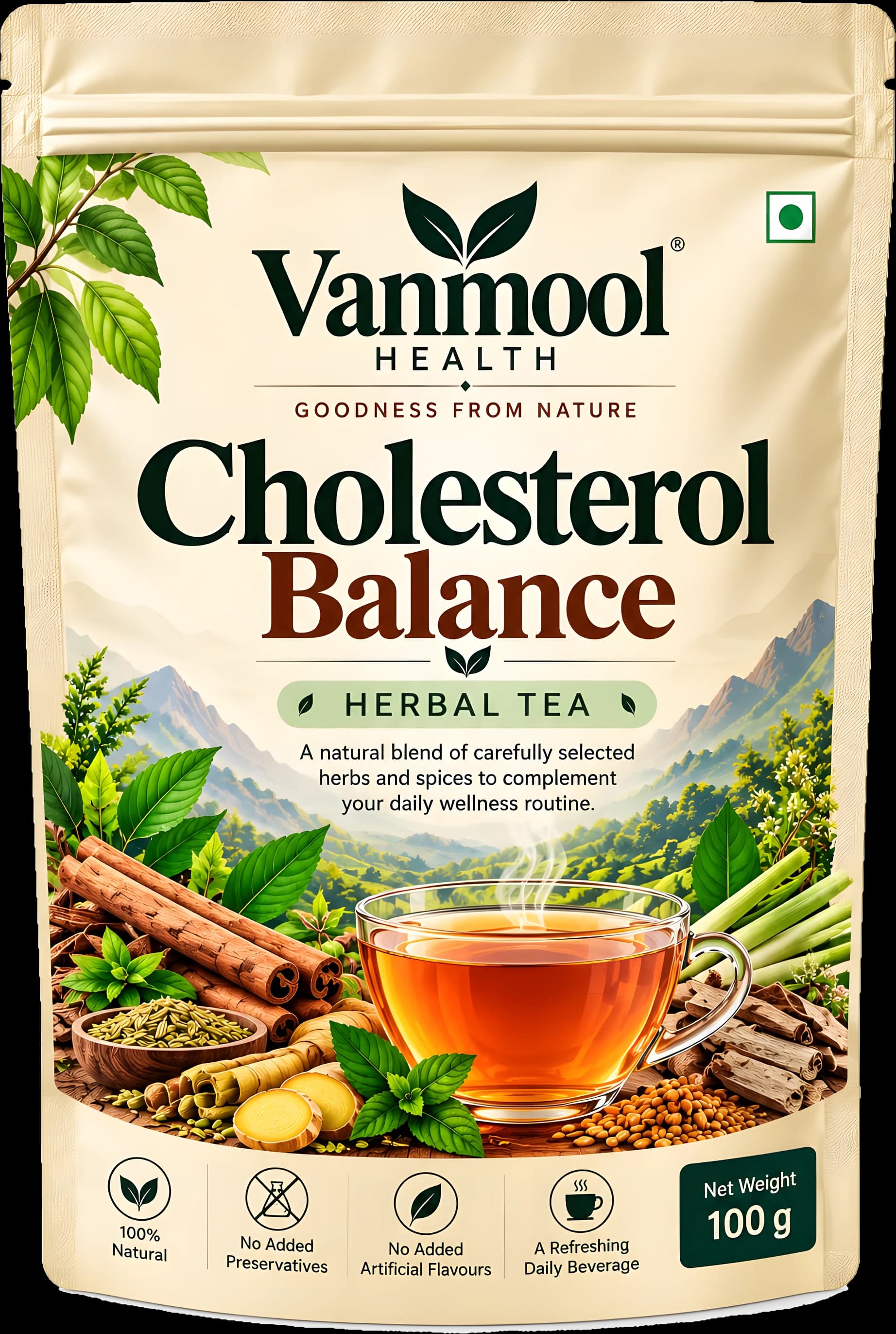
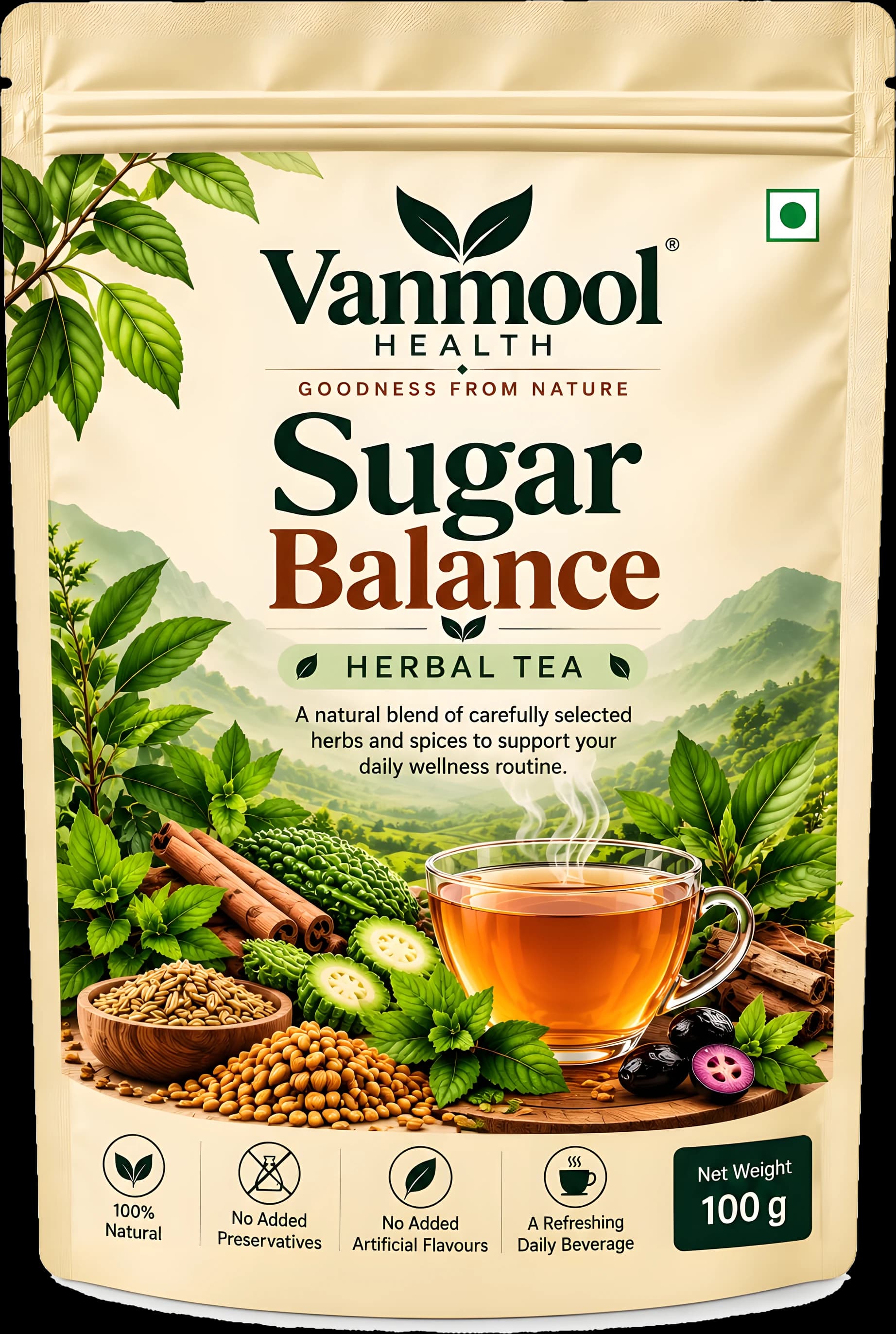
The front of a tea pack is marketing. The back is regulated. Here is how to read it so you know exactly what you are paying for.
01 The FSSAI licence number
Every packaged food sold in India must carry a 14-digit FSSAI licence or registration number along with the FSSAI logo. You can enter that number on the FSSAI website to see who holds the licence and what kind of business it is. If a herbal tea has no number, or the number does not check out, put it back.
02 Ingredient order and 'proprietary blend'
Ingredients are listed in descending order by weight, so the first one is what you are mostly drinking. A long list that starts with 'natural flavours' or 'maltodextrin' tells you the herbs are not the main event. Be wary of packs that hide proportions behind the phrase 'proprietary blend' without naming each herb.
03 What 'organic' means in law
In India, a product can only be labelled organic if it is certified under NPOP or PGS-India and carries the Jaivik Bharat logo. 'Natural', on the other hand, has no legal definition. A pack can say natural and still contain flavourings, so read the ingredient list rather than the adjective.
04 Claims a food is not allowed to make
Under FSSAI's advertising and claims regulations, a food product cannot claim to prevent, treat or cure a disease. Phrases like 'cures diabetes' or 'lowers cholesterol in 7 days' on a tea pack are red flags, both for the law and for the honesty of the seller. Words like 'supports' or 'part of a healthy routine' are the regulated, truthful register, and it is the one we use.
People also ask
01What does 'natural' mean on a tea pack in India?
'Natural' has no legal definition in India. A pack can say natural and still contain flavourings, so the word tells you very little. Read the ingredient list instead, and notice whether it starts with herbs or with something like 'natural flavours' or maltodextrin, which means the herbs are not the main event.
02How can I tell if a herbal tea is really organic in India?
In India a product can only be labelled organic if it is certified under NPOP or PGS-India and carries the Jaivik Bharat logo. If that logo is missing, the word organic on the pack is not backed by certification, so check the back of the pack before trusting the claim on the front.
03Can a herbal tea pack in India claim to cure a disease?
No. Under FSSAI's advertising and claims regulations, a food product cannot claim to prevent, treat or cure a disease. A phrase like 'cures diabetes' on a tea pack is a red flag, both for the law and for the honesty of the seller. Words like 'supports' or 'part of a healthy routine' are the truthful register.
Sources
Elsewhere on this site
Related reading
Vanmool infusions are food products, not medicines. They are not intended to diagnose, treat, cure or prevent any disease. If you are pregnant, nursing, taking medication or managing a medical condition, please speak to your doctor before use.