· 3 min read
How to make herbal tea at home: boil, simmer, strain
इस लेख को हिन्दी में पढ़ें: घर पर हर्बल चाय कैसे बनाएँ: उबालें, धीमी आँच पर पकाएँ, छानें
In short
Match the method to the plant. Steep soft leaves and flowers in just-boiled water, covered, for three to five minutes. Simmer bark, seeds and roots: boil 200 ml of water for about a minute, add 2 g, about one small teaspoon, cover the pan and keep it on a low flame for five to seven minutes, then strain.
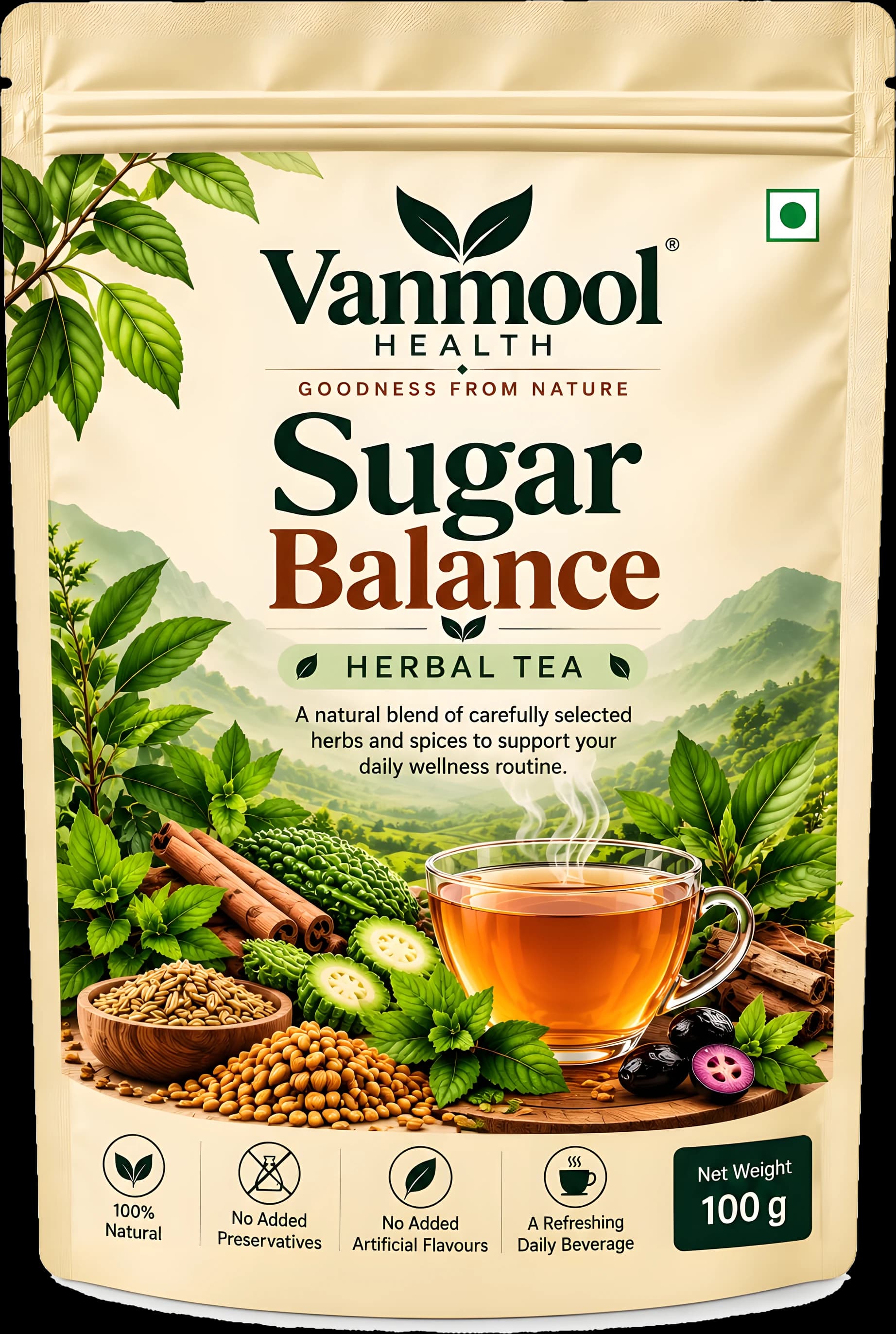
To make herbal tea at home, match the method to the plant: soft leaves and flowers can be steeped in just-boiled water, but bark, seeds and roots need to be simmered, covered, for several minutes. Tea leaves give up their flavour in two or three minutes; arjuna bark or methi seed does not, which is why both of our packs say to simmer, not steep. Here is the general rule, then the method exactly as printed.
01 Leaves steep; bark, seeds and roots simmer
Fresh mint, tulsi or lemongrass, and dried flowers or leaves, release their aroma quickly. Pour water just off the boil over a teaspoon of them, cover the cup with a saucer so the scent stays in, and strain after three to five minutes. Longer mostly adds bitterness.
Harder parts of a plant are different. Cinnamon and arjuna bark, fenugreek and fennel seed, dry ginger and mulethi root are dense and dry, and hot water poured over them barely gets started. They need to sit in water that stays hot, which on an Indian stove means a small pan on a low flame. A blend that mixes leaves with bark and seeds, like ours, is made the slower way so that every ingredient has time to come through.
02 Boil the water first
Bring 200 ml of water to the boil and let it boil for about a minute. Then add 2 g of the blend, about one small teaspoon.
03 Cover it and keep the flame low
Put a lid on the pan and turn the flame down. The aromatic oils in cardamom, mint and tulsi escape with the steam; the lid keeps them in the drink instead of in the kitchen.
04 Five to seven minutes
Arjuna and cinnamon bark, methi and jamun seed, dry ginger and mulethi release slowly, so both packs say five to seven minutes on a low flame. Cholesterol Balance can take a little jaggery while it simmers, if you like it sweeter.
05 Strain, and the one difference
Strain it and drink it warm. The only difference between the two packs is the end: Sugar Balance asks you to turn off the heat and leave it covered for one more minute before straining.
06 Getting the strength right
If a cup tastes thin, give it another minute or two on the flame before you add more herbs; time draws out bark and seed more evenly than quantity does. If it tastes harsh, the flame was probably too high, or it boiled hard with the lid off. Use a fine tea strainer, or a small square of clean muslin if you find stray bits of seed in the cup.
Herbal tea is best made fresh, one cup at a time. If you make a jug for iced tea, cool it, keep it covered in the fridge and finish it within a day. Keep the pouch sealed between cups and use a dry spoon, so the blend stays crisp to the last cup.
Herbs in this piece: Arjuna Bark, Cardamom, Tulsi (Basil), Dry Ginger
People also ask
01Should herbal tea be boiled or steeped?
It depends on what is in it. Fresh mint, tulsi, lemongrass and dried flowers release their aroma quickly, so pour just-boiled water over them and cover the cup. Cinnamon and arjuna bark, fenugreek and fennel seed, dry ginger and mulethi root are dense and need to sit in water kept hot on a low flame.
02Why should you cover herbal tea while it simmers?
The aromatic oils in cardamom, mint and tulsi escape with the steam, so a lid on the pan keeps them in the drink instead of in the kitchen. Boiling hard with the lid off, or too high a flame, is also the usual reason a cup tastes harsh.
03How long can you keep homemade herbal tea?
Herbal tea is best made fresh, one cup at a time. If you make a jug for iced tea, cool it, keep it covered in the fridge and finish it within a day. Keep the pouch of dry herbs sealed between cups and use a dry spoon so the blend stays crisp.
Elsewhere on this site
- Arjuna bark, in water or in milk · How to make
- Elaichi tea, with or without milk · How to make
- Tulsi kadha, the household way · How to make
- Adrak kadha, fresh or dry ginger · How to make
- Herbal tea and green tea: one of them has no tea in it · Compare
- Kadha and herbal tea: a decoction and an infusion · Compare
Related reading
Vanmool infusions are food products, not medicines. They are not intended to diagnose, treat, cure or prevent any disease. If you are pregnant, nursing, taking medication or managing a medical condition, please speak to your doctor before use.